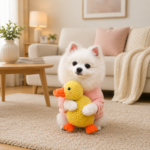


Pet toys are much more than simple entertainment. They play an important role in your pet’s physical health, mental stimulation, emotional comfort, and overall well-being. Whether you have an energetic puppy, a curious kitten, an active adult pet, or a senior companion, choosing the right toys can help improve their quality of life and keep them engaged every day.
Toys provide much more than fun. They help pets stay physically active, reduce boredom, encourage mental stimulation, support natural instincts, strengthen the bond between pets and owners, and provide comfort and security.
The right toys can transform ordinary playtime into a valuable part of your pet’s daily routine.
Every pet plays differently. Before shopping for toys, take some time to observe what naturally interests your pet.
Some dogs enjoy:
Many cats love:
Choosing toys that align with your pet’s natural instincts will make playtime more enjoyable and rewarding.
A toy should always match your pet’s size and physical abilities.
Cats generally prefer lightweight toys they can easily bat, chase, and carry. However, durability is still important to ensure the toy can withstand repeated play sessions.
A toy that is too small may become a choking hazard, while one that is too large can be difficult for your pet to use comfortably.
Your pet’s life stage should influence your toy selection.
Young pets are naturally curious and energetic. They benefit from:
Adult pets often enjoy a balanced mix of:
Older pets may prefer:
Age-appropriate toys help ensure play remains safe, comfortable, and enjoyable.
Enrichment toys encourage pets to use their minds and natural instincts. They can be especially beneficial for indoor pets or animals that need additional stimulation throughout the day.
These toys encourage behaviors such as sniffing, hunting, searching, problem-solving, and exploring, making everyday play more meaningful.
Not every pet needs the same amount of activity.
Consider:
Look for:
Many pets benefit from a combination of active play and calming enrichment activities throughout the day.
Safety should always come first when selecting pet toys.
For strong chewers, durable rubber toys are often the safest option. For cats, supervise toys that contain strings, feathers, or small decorative parts.
Pets benefit from toys they can enjoy even when you’re busy.
Independent toys help reduce boredom and encourage positive behaviors when your pet is alone.
Playing together strengthens your relationship with your pet and provides valuable exercise.
Even a few minutes of interactive play each day can improve your pet’s mood and strengthen your bond.
One simple way to keep pets interested is by rotating their toys.
Instead of leaving every toy available at once:
This makes familiar toys feel new again and helps maintain excitement without constantly purchasing new products.
Chewing is a natural behavior, especially for dogs.
Knowing your pet’s chewing style helps you choose safer, longer-lasting toys.
Not every toy needs to provide intense stimulation. Comfort toys can offer emotional security and relaxation.
Many pets enjoy:
These toys can be particularly valuable for puppies, kittens, senior pets, or animals adjusting to a new environment.
Choosing the right pet toys involves more than picking the cutest option on the shelf. The best toys support your pet’s physical activity, mental stimulation, natural instincts, comfort, and emotional well-being.
A balanced toy collection should include active play toys, enrichment options, independent entertainment, and comfort items. By considering your pet’s personality, size, age, energy level, and chewing habits, you can create a play experience that keeps them happy, healthy, and engaged for years to come.
What are your pet’s favorite toys? Share your pet’s top picks in the comments below!